
You know the U.S. Hispanic market is diverse, so simple translation won’t work; effective bilingual creative must reflect regional slang, musical preferences, and different levels of acculturation. Start by segmenting audiences by language preference and cultural identity so messages fit specific groups. Test short-form video that mixes Spanish and English naturally (code-switching) to see which tone and pacing hold attention. Work with trusted local creators — podcasters, community leaders, micro-influencers — to make content feel authentic rather than surface-level “Latino coating.” Run A/B tests on messaging, visuals, and audio cues to measure which combinations increase engagement and drive sales.
Example tactics
- Segment: Create audience buckets such as primarily Spanish-dominant, bilingual with lean Spanish, bicultural English-first, and second-generation youth.
- Creative test: Try a 15-second clip with a Spanglish hook, a 30-second fully Spanish spot, and a 10-second English cut; compare completion and click rates.
- Local partners: Hire a regional musician for music beds in the Southwest and a New York-based micro-influencer for East Coast audiences.
Product recommendation
– Use analytics platforms like Google Analytics 4 for language segmentation and a creative testing tool such as VidMob or Optimizely for variant testing.
Custom quote
“Authentic bilingual work respects where people come from and how they speak — that’s what turns attention into loyalty.”
If you want, I can draft audience segments and three script variations for a test campaign based on a specific product/category.
Key Takeaways
- Prioritize bilingual, code-switched creative that reflects natural speech and audience acculturation rather than literal translations.
- Segment messaging by acculturation (Spanish-dominant, bilingual, English-dominant) and test language mixes for clarity and resonance.
- Use short-form mobile-first video with culturally relevant music and bilingual hooks to boost recall and sharing.
- Partner with Hispanic-owned agencies, bicultural creatives, and trusted local influencers to ensure authenticity and avoid stereotypes.
- Measure impact with regional insights and A/B tests, optimizing language, tone, and cultural cues for ROI and loyalty.
The Business Case for Bilingual Creative in Hispanic Markets
Tap into a clear business advantage: bilingual creative lets you reach roughly 60 million U.S. Hispanics — about 18% of the population — by speaking both English- and Spanish-preferring segments. You’ll broaden reach and lift engagement by reflecting real linguistic preferences; Hispanic consumers often favor mixed-language content over monolingual ads. Bilingual campaigns — including thoughtful code-switching — boost ROI and resonate especially with younger, acculturated audiences. They additionally build trust: Hispanics are markedly more loyal to brands that advertise in Spanish or bilingually, and bilingual service improves perceived inclusivity. With Hispanic buying power surpassing trillions, neglecting bilingual strategies risks missing major growth. Invest in culturally informed bilingual creative and partnerships to access this influential, fast-growing market. The market’s economic impact is significant, with purchasing power exceeding $1.9 trillion underscoring the scale of the opportunity.
Understanding Bicultural Nuance Beyond Direct Translation
You can’t rely on literal translation if you want messages to land—language choices have to reflect context, region, and audience fluency. Use code-switching tactically and authentically to mirror real conversations, and beware forced Spanglish that rings false. Lean on culturally relevant humor that respects norms and timing to build rapport without alienating different bicultural segments. The U.S. Hispanic population is significant, numbering approximately 62.5 million, which makes it a critical audience to engage with 18.8% of total population.
Language and Cultural Context
Since language carries identity as much as information, bilingual creative has to do more than translate words—it needs to reflect cultural pride, regional roots, and the blended realities of Hispanic audiences. You should design messages that honor country-specific references and family-centered values, knowing 61% of US Hispanics steer through bilingualism and 69% grew up speaking Spanish at home. Use culturally relevant idioms, imagery, and themes that acknowledge traditions as you embrace modern American aspirations; that respect builds trust beyond surface translation. Remember most can converse in Spanish (75%) and many are fluent in English (84%), so tailor tone and channel to audience segments. Ground choices in research so your language corresponds with identity, context, and platform expectations. Bilingualism is widespread, with 61% bilingual spectrum of US Hispanics navigating both English and Spanish in daily life.
Code-Switching Strategies
Building on how language signals identity, code-switching strategies let you mirror the real speech patterns of bicultural Hispanics so messages feel lived-in rather than translated. You should segment by acculturation—Spanish-dominant, bilingual, English-dominant—and let context guide language: emotional content leans Spanish, aspirational/instructional leans English or mixed. Use authentic switches, not token Spanglish; hire bilingual writers and cultural consultants for regionally accurate phrasing. Younger audiences prefer mixed-language content and tastemakers who reflect that. Balance SEM/SEO with dual-language keywords. Avoid one-size-fits-all messaging; adapt to generational and regional variation to prevent alienation and build trust. Research shows that code-switching signals group belonging and comfort among bilingual speakers.
| Strategy | Benefit |
|---|---|
| Acculturation-based copy | Higher relevance |
| Authentic code-switching | Stronger cultural resonance |
| Dual SEO | Broader reach |
Culturally Relevant Humor
Although humor can bridge cultures, it often fails when it’s merely translated — bicultural Hispanic audiences expect jokes that reflect lived experiences, regional expressions, and the subtle blending of American and Latin references. You can’t rely on literal translation; humor needs cultural context, dialectal authenticity, and nods to family dynamics or shared traditions. Work with native speakers and bicultural creatives, test jokes with subgroups, and avoid stereotypes that alienate. When you get it right, humor builds rapport, trust, and loyalty—brands see higher engagement and purchase intent. Use platform-native formats like TikTok and Reels, partner with trusted Hispanic creators, and localize jokes for regional nuance so your campaigns feel earned, not appropriated. Incorporating cultural insight ensures messages resonate deeply and avoid missteps.
Audience Segmentation: Language, Generation, and Cultural Identity
When you segment Hispanic audiences by language, generation, and cultural identity, you’ll capture meaningful differences in media habits, values, and purchase drivers. You’ll target Spanish-dominant, bilingual, and English-dominant groups differently: first-generation consumers often prefer Spanish and deep cultural authenticity, whereas later generations lean English but expect bicultural relevance. Regional identity matters too—terms like “Hispanic” and “Latino” vary by state—and country-of-origin traditions shape responses to messages. Younger Hispanics (median age 30, digitally native Gen Z and Alpha) demand authentic inclusion and mobile-enhanced experiences; millennials split bilingual engagement and cultural pride. Prioritize campaigns that reflect family, community, and celebration touchpoints, refine for high digital video and social engagement, and measure outcomes, since culturally competent work drives higher loyalty and lifetime value.
Creative Formats That Resonate: Short-Form Video, Music, and Storytelling
You’ll want to prioritize short-form video since it dominates Hispanic digital engagement and drives mobile-first, emotionally resonant storytelling in under 30 seconds. Pairing those clips with culturally relevant music—think reggaeton, salsa, or bilingual hooks—amps recall and encourages sharing across communities. Together, crisp visuals and music-led narratives help you build authenticity, boost engagement, and deepen brand loyalty among bicultural audiences.
Short-Form Video Impact
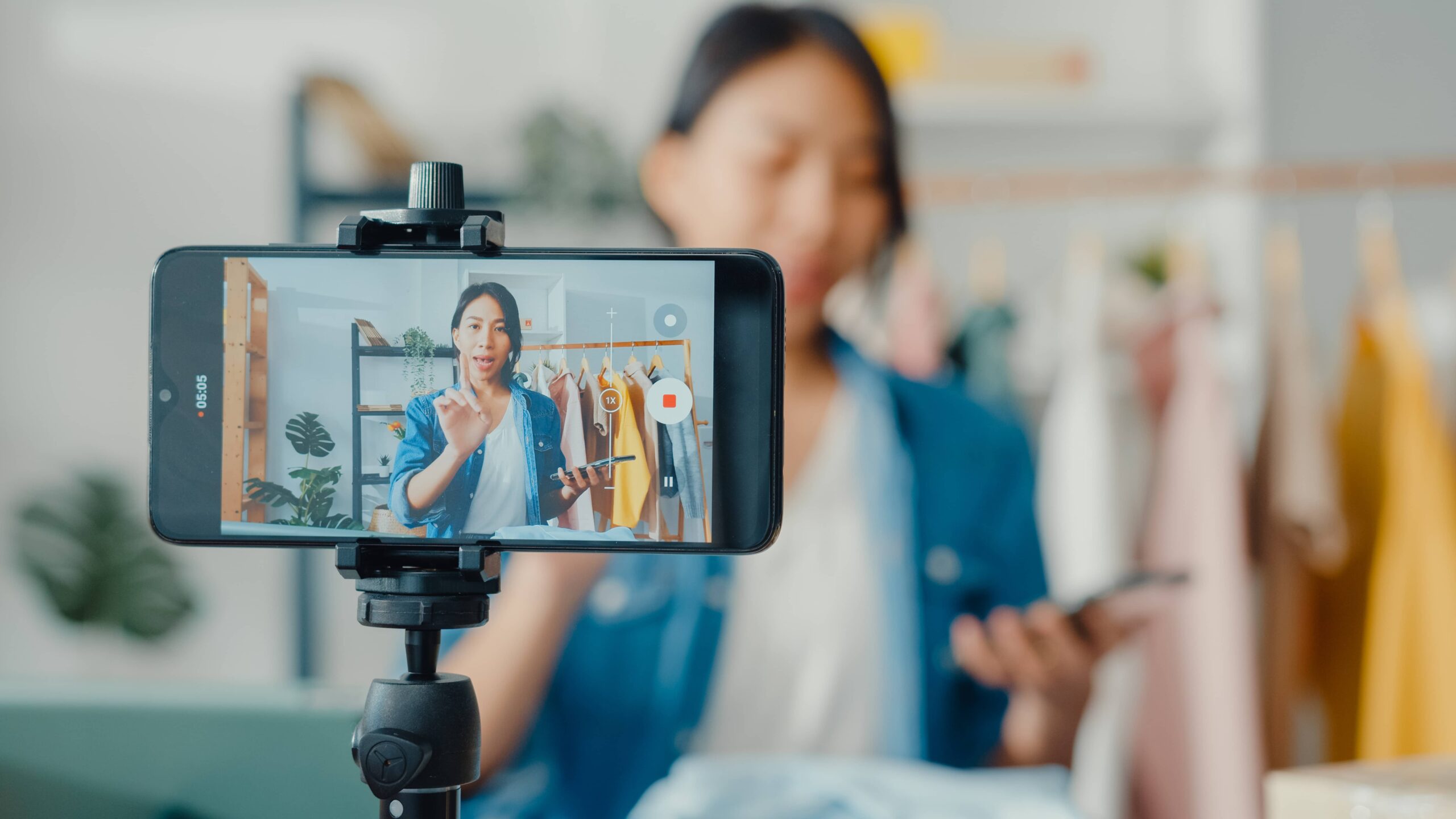
Since short-form video moves fast and feels personal, it’s become the go-to format for connecting with Hispanic audiences—especially when clips under 30 seconds mix bilingual dialogue, culturally specific moments, and trending music to spark shares, challenges, and real conversations that build trust and community. You’ll find authenticity drives engagement: candid stories, local slang, family scenes, and creator-led moments outperform polished ads. Prioritize mobile-first edits, clear cultural cues, and bilingual captions so viewers grasp meaning instantly. Use community-focused themes to cultivate belonging and encourage participation via challenges or user-generated clips. Track platform trends—TikTok, Reels, Shorts—and adapt formats for each. Keep messaging transparent and locally relevant to deepen loyalty and stimulate organic sharing.
| Element | Why it Works |
|---|---|
| Bilingual edits | Broader appeal |
| Cultural cues | Emotional resonance |
| Short length | Fast consumption |
| Community hooks | Repeat engagement |
Music-Driven Storytelling
As a cultural anchor, music gives Hispanic audiences an instant emotional entry point—Spanish lyrics, regional rhythms, and familiar beats turn short-form clips into lived experiences that feel authentic and relatable. You should weave genre-specific sounds like reggaetón, corridos or regional Mexican into short-form storytelling to mirror lived experiences and boost authenticity. Use data—streaming trends, TikTok virality, and platform analytics—to spot rising subgenres and tailor hooks that match audience identity; bilingual and Spanish-dominant listeners particularly respond to cultural cues. Incorporate music into narrative pacing so rhythm drives emotion and recall, and place tracks where listeners already engage (commutes, work, social scrolls). This approach harnesses music’s cultural power and the commercial momentum of Latin music to increase resonance and ROI.
Building Authentic Bilingual Messaging Without “Latino Coating
When bilingual messaging doesn’t come from real cultural insight, it reads like a sticker — superficial Spanish lines slapped onto generic creative — and that’s what people call “Latino coating.” You’ll do better by reflecting cultural duality: mirror how 63% of bilingual Hispanics naturally mix Spanish and English, and tailor language to generation and acculturation. Use local slang, dialects, or familiar voices where appropriate, and deploy Spanglish sparingly so it feels organic to your brand. Prioritize emotional resonance over literal translation—diminutives, untranslatable terms, and culturally rooted stories create connection. Test mixes to avoid confusion across multigenerational households, and lean on research to prevent stereotypes. Authenticity isn’t decoration; it’s cultural accuracy and respect that build loyalty.
Channel Strategy: Mobile-First, Social, and Traditional Media Mix
Often, you’ll want to lead with a mobile-first strategy since Hispanic audiences use smartphones more, watch more video, and complete big purchases on mobile at higher rates than the general population. Prioritize fast mobile sites, short-form video, and frictionless checkouts—73% will abandon slow pages and 67% complete major purchases on mobile. Use YouTube, TikTok, and Instagram to reach younger, bilingual viewers; they stream more video and spend heavy weekly app time, so social drives research and conversations. Don’t ignore traditional channels: TV and radio, plus local cultural events, strengthen reach among older segments and build community trust. Blend tactics—mobile-optimized creative, tastemaker partnerships, and targeted traditional buys—to maximize reach, relevance, and conversion across diverse Hispanic audiences.
Measurement and KPIs for Bilingual Campaign Effectiveness
Since bilingual campaigns target different linguistic and cultural behaviors, you should set KPIs that separate performance by language and region from day one. Track website metrics segmented by language—page views, session duration, heatmaps, and user journeys—to spot engagement patterns. Measure CPC and conversion rates (purchases, form completions) by language and region to gauge cost efficiency and message resonance. Use analytics platforms and bilingual tracking to attribute outcomes to each language version, and incorporate conversion tracking for revenue and CLV comparisons. Monitor reach and social engagement (likes, comments, shares) plus sentiment and survey feedback to assess cultural relevance. Calculate ROI accounting for localization costs, compare against past campaigns, and reallocate budget toward higher-performing language segments.
Partnering With Agencies and Community Voices for Cultural Credibility
As cultural credibility hinges on trust, you’ll want to partner with Hispanic-owned agencies and trusted community voices who bring language fluency, local knowledge, and authentic relationships—especially in markets like South Florida where community ties run deep. Work with agencies like República, Alma, Accentmarketing, or JeffreyGroup to harness bilingual fluency, cultural insights, and regional nuance. Co-create with local influencers, community leaders, and nonprofits to reflect lived experiences, boost engagement, and demonstrate social responsibility. Coordinate mission and messaging to celebrate heritage, family, and modern identities, using bilingual or Spanglish where appropriate. Use agency data and tech to avoid stereotypes, tailor outreach across subgroups, and measure impact so campaigns resonate authentically and drive loyalty.