
Choosing Between Influencers and Mass Media Buys
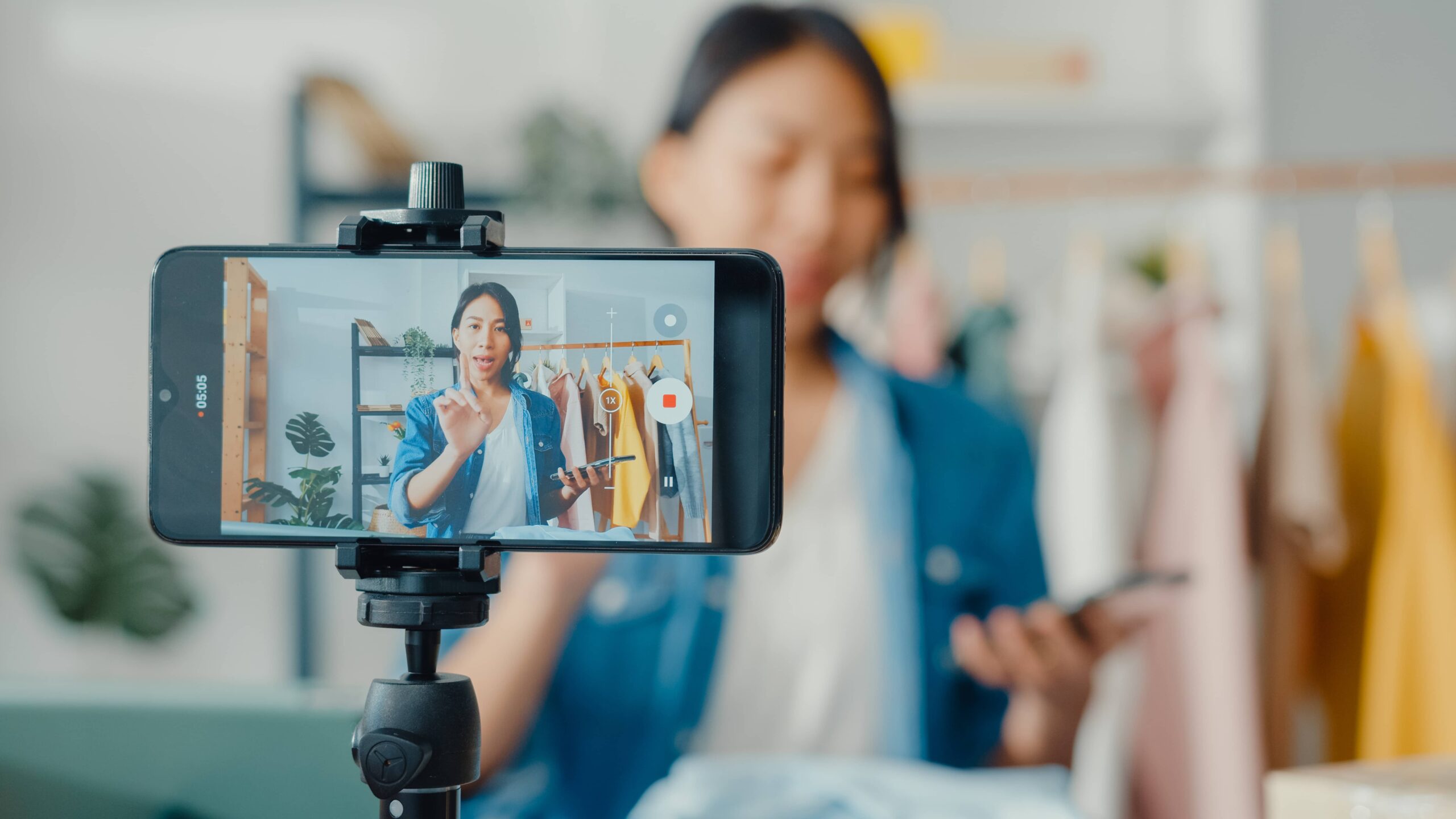
Pick the right mix of media by starting with the outcome you want. If you need targeted credibility and ongoing engagement, influencer partnerships deliver personal recommendations and measurable interactions. If your goal is quick, wide awareness—product launches, seasonal promos, or public-service messages—broad placements on TV, radio, or large digital networks reach many people fast.
Compare measurable metrics and costs. Influencer campaigns often give clearer engagement data (comments, shares, click-throughs) and can be tracked to sales with affiliate links or promo codes. Mass buys provide reliable reach and frequency figures but can be harder to tie directly to conversions without robust attribution models. Consider creative control: large buys let you control every detail of the ad; influencers add authenticity by shaping how they present your brand.
Balance short-term sales and long-term brand value. Use mass media to build recognition and set a baseline demand; layer in influencers to deepen trust and drive consideration.
For example:
- New product: start with a regional TV or streaming ad, then seed influencer content to show real-world use.
- Niche product: prioritize micro-influencers who reach a focused community and allocate leftover budget to targeted digital display.
- Quick promotion: run paid social and partner with a handful of creators who can post time-sensitive content.
Practical rules to decide:
- Target audience size and specificity: narrow and engaged → influencers; broad → mass buys.
- Budget and scale: limited budget but high relevance → micro-influencers; large budget aiming for market saturation → mass media.
- Measurement needs: need direct attribution → influencer links and UTM tracking; need guaranteed reach → traditional buys with third-party measurement.
Product recommendations:
- For influencer discovery and tracking: consider Upfluence, CreatorIQ, or Aspire.
- For programmatic mass buys: try The Trade Desk or Google Display & Video 360.
- For social ad scaling + attribution: use Meta Ads Manager with a dedicated analytics tool like Kochava or Branch.
Quote to include:
“Use broad media to build awareness, and let trusted individuals turn that awareness into action.”
If you’d like, I can map this approach to your specific product, audience, and budget and suggest a 3-month media plan with estimated KPIs.
Key Takeaways
- Use influencers when you need niche authenticity, high engagement, and short-form creative that builds long-term brand trust.
- Choose mass media for broad, predictable reach, strong production credibility, and audiences less active on social platforms.
- Favor nano/micro creators for cost-efficient engagement and conversions; reserve macro/celebrity spends for scale or prestige.
- Measure influencers with multi-touch attribution, UTMs, brand lift, and engagement metrics; expect softer, longer-term returns.
- Combine both: amplify top-funnel influencer content with paid media/whitelisting and retarget with mass-reach buys for scale.
When to Prioritize Influencer Campaigns
When you need authentic engagement and long-term brand affinity rather than an immediate sales spike, prioritize creator campaigns — they’re especially powerful when your goal is to build trust, reach niche audiences, or leverage short-form creative that “stops the scroll.” You’ll lean on nano- and micro-creators when authenticity matters: their smaller followings deliver higher engagement (nano at 2.19%, TikTok micros up to 18%) and better follower-brand fit, improving ROI. Let creators co-own the creative process—65% of creators who do this produce more resonant content. Favor 15–30 second videos for visibility and stopping power. Track engagement rate, reach, and brand lift instead of instant sales; creator efforts are a long-term investment that typically returns about $6.50 per $1 spent. The influencer market has grown rapidly in recent years, expanding from $1.7 billion in 2016 to $24 billion in 2024.
When Mass Media Buys Make Sense
If your goal is to reach millions quickly and build broad, dependable awareness, mass media buys are usually the smarter choice — TV, radio, outdoor, and print give predictable schedules, large-format creative options, and credibility that’s harder to achieve with short-lived social posts. You’ll get wide demographic coverage, including audiences less active on social platforms, and campaigns you can plan with predictable timing and frequency. High-impact formats let you tell richer stories and create strong visual or audio impressions. Trusted channels additionally protect brand safety and boost perceived professionalism. For mass-market products, heritage brands, or major launches where scale, consistency, and cost-per-reach matter, mass media often delivers clearer, more controllable outcomes than fragmented creator tactics. Studies show that Google and Facebook together take the majority of online ad dollars, with Google holding 38.6% of total US digital ad spend.
Measuring ROI: Influencers vs. Traditional Ads
You’ll need to grapple with attribution complexity when comparing creator campaigns to traditional ads, since tracking the true path to purchase is often messy. Consider cost-per-outcome rather than just cost-per-impression to see which channel actually moves sales, leads, or engagement for your goals. Balancing imperfect attribution with outcome-focused pricing will help you decide where your spend gets the most return. Influencer campaigns can deliver significantly higher returns, often averaging about 5.78x ROI compared with traditional digital ads.
Attribution Complexity
Since influencer campaigns mix measurable conversions with softer brand effects, attributing ROI is rarely straightforward: you’ll need multi-touch models, UTMs, affiliate links and sentiment measures to capture both immediate sales and longer-term awareness or loyalty. You’ll confront mixed signals: likes and shares prove engagement but don’t equal purchases, while sentiment analysis and brand lift studies capture upstream effects that traditional last-click models miss. Use affiliate links, unique codes and dedicated landing pages to tie specific influencer touches to conversions, and feed those signals into multi-touch attribution rather than relying on last-click. Expect gaps—cross-channel journeys and delayed purchases mean you’ll still undercount sway sometimes—so combine quantitative tracking with periodic qualitative brand studies for a fuller ROI picture. A useful benchmark to aim for when evaluating performance is that well-structured influencer campaigns can average about 520% ROI.
Cost-per-Outcome
After wrestling with attribution complexity, it’s time to compare concrete cost-per-outcome metrics: influencer campaigns routinely deliver higher ROI multiples—often around $5 to $5.78 back per $1 spent—while traditional buys tend to return less predictably and usually require far larger upfront investment. You’ll find influencer strategies cut production and placement costs, especially with micro- and nano-influencers, letting you scale to target segments without mass media overhead. Higher engagement (micro-influencers ~3.86% vs. display ads ~0.05% CTR) and stronger trust improve conversion rates and lower CPA. Digital tracking, affiliate links, and analytics give you clearer, real-time cost-per-outcome data so you can fine-tune spend mid-campaign. Traditional channels still offer reach, but for measurable, efficient outcomes, influencers usually win. Additionally, traditional advertising retains strengths like broad reach and perceived credibility that can complement digital influencer efforts.
Targeting and Audience Reach Comparison
You’ll want to weigh precision against sheer breadth when choosing between influencers and mass media. Influencers let you target niche communities with higher engagement and trust, as mass media reaches large, diverse audiences fast. Consider which you need more: tight, high-value connections or wide-scale awareness.
Precision vs. Breadth
During mass media buys cast a wide net to reach up to 70% of people globally, influencer marketing zeroes in on niche audiences where relevance and trust drive engagement, so you’re choosing between breadth and precision rather than one being universally better. You’ll favor mass buys when you need scale and visibility—TV, radio, and print deliver large impressions but often lower engagement and trust. You’ll favor influencers when you need targeted relevance, higher engagement rates, and authentic recommendations that boost conversions. Consider hybrid approaches: use mass media for awareness and influencers for conversion and credibility. Match objectives to channel strengths and track engagement metrics to refine spend and ROI.
- Mass media: broad reach, lower engagement
- Influencers: high relevance, stronger trust
- Paid social/search: scalable targeting tools
- Hybrid: awareness plus precision targeting
Niche Audience Targeting
Shifting from the choice between breadth and precision, let’s focus on how niche audience targeting actually plays out. You’ll find nano- and micro-creators deliver higher engagement and conversions in niche markets—nano averages 8.4% engagement and 4.5% conversions; micro (10K–50K) posts 1.81% engagement, 46% higher than mid-tier. Niche alignment boosts engagement 13.59% and views 81.39%, and gifted collaborations drive 12.9% more engagement than paid ads. Mass media still gives scale but lacks specificity, personal connection, and often lower direct conversions. By using detailed audience insights and creator-audience fit, you can precisely reach communities (especially 25–34 on Instagram), reduce production spend, and improve ROI through authentic, trust-driven messaging rather than one-way mass impressions.
Cost Structures and Budgeting Considerations
When you plan budgets, remember influencer and mass‑media buys follow very different cost logics: influencers charge per post or campaign with negotiable rates tied to follower count and engagement, whereas mass media involves fixed or negotiated spot rates that usually need bigger upfront commitments and give you less granular performance data. You’ll see influencer tiers from ~$10–$100 (nano) up to $10k+ (mega), with most charging $250–$1,000. CPE varies by platform (TikTok and Instagram low, Facebook and YouTube higher), so factor platform-specific engagement costs. In 2025, influencer spend hit $32.55B, yet most brands allocate 5–20% of marketing spend to influencers, prioritizing measurable ROI and AI optimization.
- Use micro/mid tiers for cost efficiency
- Budget by CPE per platform
- Expect scalable, negotiable influencer spends
- Reserve mass media for broad reach needs
Combining Influencers With Paid Media for Maximum Impact
You’ve planned budgets around influencer tiers and mass‑media buys; now think about how to combine them to stretch reach and lift ROI. You’ll see roughly $6.50 back per $1 spent when you incorporate influencer marketing with paid media, because influencer content keeps an authentic voice that builds trust—69% of consumers trusted influencers over brand messaging in 2024. Use paid ads to amplify influencer posts beyond their follower base for awareness and product launches; repurposing high-performing influencer images, videos, and stories usually beats brand-created ads. Whitelisting lets you run ads from influencer accounts for more organic-feeling reach, though it needs strong partnerships and careful permissions. Finally, align influencer-led top-funnel activity with brand retargeting to lower acquisition costs and improve conversion efficiency.
Practical Steps to Choose the Right Mix
Before you pick channels, get crystal clear on what success looks like and who you’re trying to reach: define your primary KPI (awareness, engagement, conversion, or loyalty), map the audience segments and their media habits, and use past campaign data to compare the precision and cost-efficiency of creator tiers versus mass buys so you can allocate budget where it’ll drive the most impact. Then follow a practical sequence: set measurable KPIs, segment audiences by behavior and channel preference, calculate CPM/CPE and forecast ROI for creator tiers versus mass buys, and design a testing plan with clear attribution. Balance creative control with authentic collaboration, schedule mass reach and creator activations, and iterate based on performance data.
Start by defining KPIs and audiences, then test creator tiers versus mass buys and iterate by performance.
- Define KPIs and audience segments
- Compare CPM/CPE and forecast ROI
- Test mixes with attribution models
- Iterate and rebalance by results