
You’re likely shifting budgets toward hybrid branded content that pairs ultra-short micro clips for quick attention with occasional long-form stories and live activations.
Prioritize precise audience targeting, connected TV and retail media buys, and low-production UGC that reads as native.
Tighten measurement through first-party data and privacy-safe clean-room analysis so you can test many ideas quickly without overexposing the same viewers.
Those choices will shape how far your campaigns reach and how much return you get — so track frequency, creative performance, and sales signals closely to optimize fast.
Custom quote: “Mix fast, authentic moments with deeper storytelling, and measure everything from first-party signals to conversion paths — that combination produces clearer results.”
Key Takeaways
- Short-form, authentic UGC and micro-moment videos (15–60s) to boost engagement and conversions quickly.
- Story-driven long-form content and live events to build trust and sustained emotional connection.
- Data-driven precision targeting using first-party data and AI for real-time audience optimization.
- Streaming-first buys (CTV/OTT) layered with broadcast for reach, measured by unique reach and frequency.
- Cross-platform measurement with clean rooms, incrementality tests, and unified metrics to attribute impact.
Micro-Moment and Ultra-Short Video Strategies
When attention is measured in seconds, you need content that hits hard and fast: micro-moment and ultra-short video strategies pack clear value into the first few beats—hooking viewers, answering an immediate need, or prompting action within 15–60 seconds. You’ll prioritize strong opens since 71% of viewers judge value almost immediately. Use microlearning for 2–5 minute tutorials when depth’s needed, but keep most assets 15–60 seconds to match platform norms and consumer preferences. Rely on AI to auto-edit, caption, and personalize clips so relevance spikes per viewer. Encourage creators and UGC to boost authenticity and algorithmic reach, and allow shoppable links to shorten conversion paths. Monitor real-time analytics to iterate quickly and maximize engagement. Short-form video is projected to account for 82% of internet traffic by 2025.
Renewed Focus on Long-Form Storytelling and Live Streams
Since brands are allotting bigger budgets and leaning into richer formats, long-form storytelling and live streams are coming back as tactical priorities. You’ll see that bigger budgets let you experiment with immersive formats—branded short films, series and interactive streams—that move beyond micro-moments to sustain attention and guide buyers through complex path. Story-driven content builds trust and loyalty, lifting emotional connection and boosting conversions, although sponsored narratives outperform traditional ads across demographics. Video remains underused in spite of 83% consumer demand and strong ROI signals, so investing in longer, authentic visuals and live events lets you educate, demonstrate authority and spark real-time engagement. Cross-functional teams plus AI tools will free creators for deeper storytelling, making long-form and live formats a calculated advantage. Nearly half of marketers plan to increase content marketing investment in 2025.
Scaling Paid Media With Precision Targeting and Personalization
As you scale paid media, precision targeting and personalized creative turn broad spend into measurable growth by matching the right message to the right audience at the right moment. You’ll use AI to predict behavior, surface high-intent audiences, and shift buys in real time so budgets follow converting segments. First-party data—loyalty, app use, signups—feeds CDPs and clean rooms, keeping targeting privacy-safe and enabling closed-loop measurement that ties exposure to sales. Retail media adds point-of-purchase precision, intercepting shoppers when they’re ready to buy and supplying granular ROI metrics. Automated incrementality tests and media-mix modeling show what truly moves the needle, as fast dashboards let you reallocate spend quickly. Customized creative then seals conversion by resonating with each micro-segment. Media buying remains essential as AI augments targeting, performance, and ROI while human oversight guides strategy.
Investing in CTV, OTT, and Streaming-First Buys
If you’re reallocating video dollars, prioritize CTV and OTT: streaming now accounts for nearly half of U.S. TV viewing, and ad-supported models are driving rapid budget shifts. You’ll want to move toward streaming-first buys since inventory is growing as investment still lags consumption, creating upside for reach and frequency optimization. CTV delivers measurable outcomes, precise targeting, and interactive formats that boost engagement, so treat it as core to your mix.
- Invest where ad-supported subscriptions and FAST channels are growing to capture shifting viewer habits.
- Use data-driven targeting across smart TVs, devices, and platforms to improve efficiency.
- Employ non-skippable, high-viewability units for brand impact.
- Monitor frequency and scale to avoid saturation and open up untapped impressions.
- Keep an eye on rapid CTV growth and adjust allocations to capitalize on expanding streaming inventory.
Leveraging Lo-Fi and User-Generated Creative for Authenticity
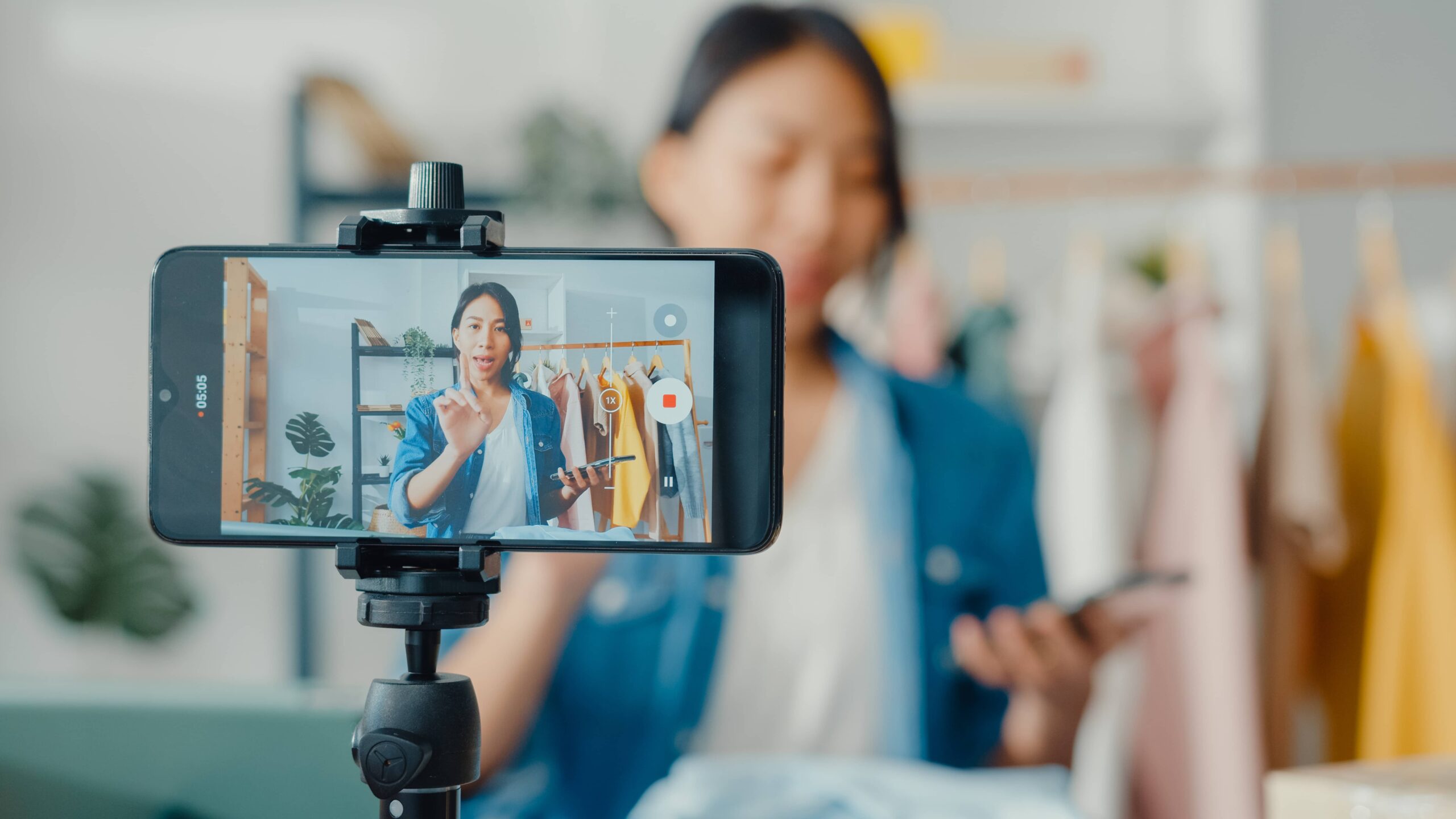
You should lean into real, unpolished storytelling that feels like someone’s genuine social post rather than a commercial. This approach lets you iterate creative quickly and affordably, testing formats without heavy production overhead. Prioritize platform-native authenticity—vertical, conversational, and shareable—to boost engagement and trust. Legacy and direct-to-consumer brands are increasingly adopting lo-fi tactics, so expect greater competition and the need for clearer creative differentiation 53% increase.
Real, Unpolished Storytelling
Lean into real, unpolished storytelling and you’ll tap into the kind of authenticity consumers trust—UGC drives buying decisions for 79% of shoppers and boosts engagement, CTRs, and conversions far more than polished ads. You should prioritize genuine moments: raw videos, candid reviews, and everyday use cases that make products relatable. That authenticity lifts engagement (up to 50% higher) and multiplies CTRs by four, translating into measurable conversion gains on-site and in social campaigns. Use creators and customers to narrate short, imperfect stories that feel human, not brand-managed. Focus on formats that scale storytelling without overproducing.
- Favor mobile-shot video and voice-forward testimonials
- Highlight peer recommendations and real product use
- Rotate short UGC clips across placements
- Measure lifts in CTR, engagement, and conversions
Lower-Cost Creative Iteration
Tap into lo-fi and user-generated creative to cut costs as scaling authentic storytelling that actually converts. You’ll see lo-fi ads drive higher CTRs and conversions—Dash Hudson reports 54% better CTRs and brands using UGC can boost conversions up to 40%. Consumers trust UGC three times more than polished spots, so raw, everyday footage reduces ad fatigue and increases views and sharing. You can produce content faster with minimal gear, fewer external vendors, and lower budgets, letting you iterate rapidly against performance data. Crowdsource diverse stories to build a scalable asset library, run multi-touch tests, and fine-tune messaging without major spend. Keep content in step with core brand narratives so authenticity reinforces, rather than undermines, brand trust.
Platform-Native Authentic Formats
Think native: platform-native formats and lo-fi, creator-driven content perform since they mirror how people actually use each app, so they’re seen as authentic rather than interruptive. You’ll get higher engagement when you match native specs — platforms boost content that fits their format, sometimes by up to 60%. Lo-fi UGC and micro-influencer clips drive trust and relatability, often outperforming polished ads in shareability and ROI. Focus on short-form video, livestreams, and creator-led storytelling to tap audience behavior and platform algorithms.
- Prioritize micro-influencers: they deliver ~3x engagement versus macro creators.
- Use UGC: consumers find it 2.4× more authentic than brand-made content.
- Favor short-form native video: consumers want more, and ROI is strong.
- Blend native ads into feeds to maximize impressions and user experience.
Balancing Broadcast Reach With Streaming Specificity
You’ll still rely on broadcast to secure mass reach even as using streaming to target specific audience slices. Make certain your measurement approach corresponds across platforms so TV and streaming results can be compared and fine-tuned. The smartest campaigns stitch broad exposure to pinpointed messaging for clearer attribution and better ROI.
Broad Reach Retained
When you want broad brand reach without losing the precision of streaming, a hybrid plan is the best play: saturate premium broadcast slots to build mental and physical availability, then use streaming’s targeting to refine frequency and activate in-market buyers. You keep mass penetration as directing budget where it converts, respecting the Ehrenberg-Bass logic that most buyers aren’t active now but should know your brand later. Measure unique reach first, then layer streaming to manage frequency and avoid waste. Monitor CEPs to guarantee recall across purchase situations.
- Use linear TV for scale and trusted reach.
- Allocate initial spend to maximize unique reach.
- Layer streaming to fine-tune frequency and activation.
- Improve continually by reach, frequency, and ROAS.
Streaming Target Precision
Although broadcast TV still gives you unmatched scale, streaming lets you aim ads with surgical precision by using real viewer behaviors, first- and third-party data, and programmatic targeting. You can keep broad reach with linear buys whilst using streaming to target cord‑cutters, hyper‑local prospects, and niche segments—reducing waste and boosting relevancy. Real‑time insights let you fine-tune toward actions like site visits or form completions, and programmatic CTV delivers audience buys rather than programs. Expect improved interoperability and shared identifiers to broaden scale without losing accuracy, though buyer education and careful deal selection remain key to avoiding out‑of‑market delivery.
| Benefit | Data Source | Outcome |
|---|---|---|
| Precision | First/third‑party | Higher relevance |
| Scale | Multi‑app inventory | Broader reach |
| Optimization | Real‑time metrics | Better ROI |
Cross‑Platform Measurement Alignment
Since audiences now split their attention across live TV and countless streaming apps, advertisers need measurement that ties those experiences together so you can compare reach, frequency and impact on a single playing field. You’ll lean on unified metrics and clean-room collaboration to harmonize Nielsen-style linear data with platform-specific streaming KPIs, so budget moves between broadcast and CTV are defensible. Expect programmatic buying, AI analytics, and incrementality testing to reduce overlap and clarify attribution. With 64% of US buyers increasing focus on cross-platform measurement in 2025, responsiveness matters for reallocating spend.
- Use clean rooms for privacy-safe cross-platform joins
- Run incrementality studies to separate broadcast vs. streaming lift
- Deploy AI to manage frequency and enhance reach
- Combine first‑party and third‑party signals for portfolio insights
Cross-Platform Video Measurement and Attribution Practices
Though cross-platform video campaigns promise broader reach, measuring and attributing their impact is messy: walled gardens report conversions only inside their own ecosystems, passive view-throughs often go untracked, and fragmented models and privacy changes create gaps that make it hard to see which touchpoints actually drove results. You’ll face duplicated conversion counts from Google, Meta, and TikTok, limited windows like Meta’s short attribution, and probabilistic matching on TikTok that mixes first‑party signals. To steer this, combine panel or TV-rating data with streaming analytics, centralize platform feeds into a reporting layer, and use position-based or multi-touch models cautiously. Complement modeling with incrementality tests and media-mix modeling, prioritize first‑party data, and insist on transparency about attribution assumptions.
Rapid Testing and Content Refresh Cycles
After wrestling with attribution and measurement across platforms, you’ll find that the next battleground is speed: brands are compressing testing cycles so you can spot winning creatives and refresh underperforming ads in near real time. You’ll lean on AI and automation to analyze engagement, run multivariate experiments, and predict which video cuts or CTAs will win. Mobile-first formats, UGC, and creator content help scale fresh assets when budgets are tight. Expect always-on testing that feeds continuous iteration and personalization so audiences don’t fatigue.
- Use fluid creatives to swap elements without full redesigns.
- Automate performance alerts to trigger immediate refreshes.
- Prioritize mobile-native clips and short-form edits.
- Combine AI insights with human review for authenticity and trust.